
Architecture is often described as the most public of all creative disciplines.
Unlike paintings displayed in galleries or sculptures placed within carefully curated collections, buildings become part of everyday life. People walk through them, work inside them, gather within them, and return to them repeatedly without always recognising the extraordinary design decisions surrounding them.
The finest architecture achieves something remarkable.
It transforms practical necessity into artistic experience.
Walls define more than rooms. Windows become instruments of light. Materials communicate warmth, permanence, texture, and craftsmanship. Empty space itself becomes an essential design element, shaping how people move, pause, and interact with their surroundings.
For centuries, architects have balanced function with beauty.
Historic cathedrals, libraries, theatres, civic buildings, and contemporary homes all demonstrate that thoughtful architecture extends far beyond engineering. Every successful project considers scale, proportion, circulation, materials, and atmosphere while responding to the people who will ultimately inhabit the space.
Collectors and design enthusiasts increasingly appreciate architecture for the same reasons they admire exceptional artworks.
It rewards careful observation.
The longer one spends within a thoughtfully designed building, the more relationships become visible between light, structure, craftsmanship, and human experience.
Architecture reminds us that creativity does not always hang upon walls.
Sometimes we live inside it.
Designing for Human Experience
Every successful building begins with people rather than materials.
Architects carefully consider how individuals will move through spaces, where they will naturally pause, how daylight changes throughout the day, and how different environments influence emotion.
A welcoming entrance creates anticipation.
A quiet reading room encourages concentration.
An open courtyard invites conversation.
A staircase may become a sculptural centrepiece guiding visitors upward through the building.
These experiences rarely occur by accident.
They emerge through countless design decisions that shape both function and atmosphere.
The result is architecture that feels intuitive while quietly enriching everyday life.
Light as a Building Material
Architects often describe light as one of their most important materials.
Although invisible, light defines nearly every aspect of architectural experience.
Morning sunlight reveals textures differently from evening illumination.
Large windows connect interiors with surrounding landscapes.
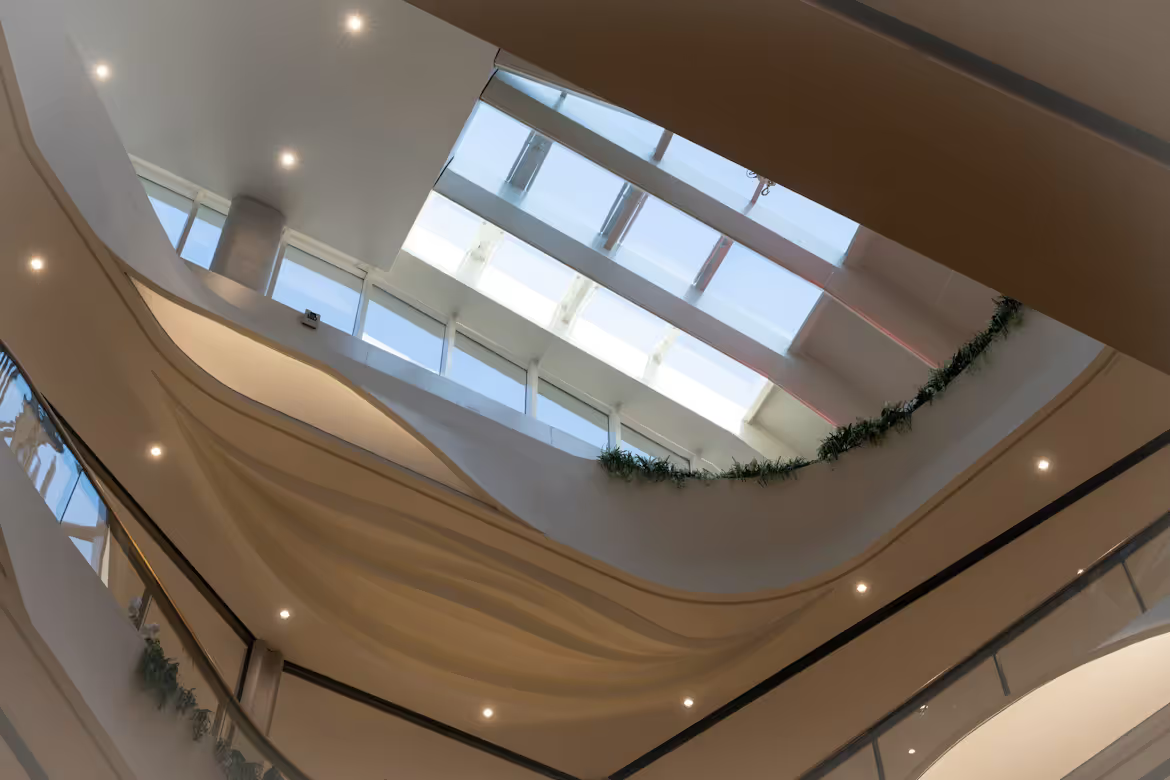
Skylights transform ceilings into changing canvases throughout the day.
Carefully controlled shadows introduce rhythm, depth, and visual calm.
Rather than simply illuminating rooms, natural light becomes an active participant in architectural composition.
Collectors who appreciate painting, photography, or sculpture often discover similar pleasure in observing how buildings respond to changing light over time.
Materials Tell Stories
Stone.
Concrete.
Timber.
Glass.
Steel.
Clay.
Every architectural material carries its own history, texture, and character.
Architects select materials not only for structural performance but also for their emotional qualities.
Warm timber creates intimacy.
Natural stone suggests permanence.
Exposed concrete introduces honesty and restraint.
Glass dissolves visual boundaries between interior and exterior spaces.
These choices influence how buildings are experienced long after construction is complete.
Thoughtful architecture allows materials to speak quietly without unnecessary ornament.
Proportion Creates Harmony
One of the defining qualities of exceptional architecture is proportion.
Visitors may not consciously measure dimensions or calculate ratios, yet they immediately recognise when a space feels balanced.
Ceiling heights relate naturally to room size.
Doorways create comfortable transitions.
Windows frame surrounding landscapes without overwhelming the interior.
Every element contributes to a sense of visual harmony.
This careful balance has long connected architecture with the visual arts.
Just as painters consider composition and sculptors refine proportion, architects organise space through relationships between height, width, depth, rhythm, and scale.
When these elements work together, buildings feel calm, welcoming, and timeless.
Rather than drawing attention to individual details, great proportion allows the entire experience to feel effortlessly unified.
Architecture as a Home for Art
Architecture and art have always shared a close relationship.
A thoughtfully designed building does more than provide walls on which artworks can be displayed.
It creates an environment where paintings, sculpture, photography, ceramics, and design objects can be experienced in meaningful ways.
Collectors often consider architecture when planning private collections.
Natural light influences where paintings are displayed.
Open floor plans allow sculpture to be appreciated from multiple viewpoints.
Architectural niches become ideal locations for handcrafted ceramics or contemporary glass.
Even circulation through the home shapes how visitors encounter individual works.
The most successful interiors never force architecture and art to compete.
Instead, each enhances the other.
Buildings become quiet frameworks that allow collections to evolve naturally over time.
Sustainable Architecture and Lasting Design
Contemporary architecture increasingly reflects a growing awareness of environmental responsibility.
Architects now consider not only how buildings appear, but also how they perform throughout their lifetime.
Thoughtful orientation maximises natural daylight.
Passive ventilation reduces energy consumption.
Responsibly sourced timber, recycled materials, durable stone, and energy-efficient glazing contribute to buildings that balance beauty with long-term sustainability.
Importantly, sustainable architecture is not defined by technology alone.
Many of its principles have existed for centuries.
Careful site selection.
Climate-responsive design.
Natural materials.
Long-lasting craftsmanship.
These timeless ideas continue influencing contemporary architecture while encouraging buildings that remain relevant for generations rather than following short-lived trends.
Why Collectors Appreciate Architecture
Many experienced collectors eventually develop an appreciation for architecture because both disciplines encourage similar habits of observation.
Rather than noticing only decorative details, collectors begin recognising relationships between materials, proportion, craftsmanship, and atmosphere.
Architecture also reinforces the importance of context.
A sculpture viewed within a thoughtfully designed courtyard feels different from the same work displayed indoors.
Photography responds differently to changing daylight throughout a carefully planned interior.
Furniture, ceramics, and glass acquire greater presence when surrounded by balanced architectural space.
Collectors therefore learn that architecture influences not only how art is displayed, but also how it is experienced.
This understanding strengthens appreciation for both disciplines.
Buildings That Improve With Time
Unlike many manufactured objects, exceptional buildings often become more meaningful as years pass.
Natural materials develop character.
Timber acquires warmth.
Stone records subtle weathering.
Gardens mature.
Changing light continues revealing new architectural relationships.
Most importantly, people create memories within these spaces.
Celebrations.
Conversations.
Quiet mornings.
Creative work.
Everyday routines.
Architecture gradually becomes part of personal history.
This ability to accumulate meaning over time explains why truly great buildings continue inspiring long after construction has finished.
Like remarkable works of art, they reward repeated experience rather than immediate novelty.
Collector's Insight
The finest buildings are not simply admired. They are lived in, experienced daily, and appreciated more deeply with every passing year.
Conclusion
Architecture demonstrates that artistic expression can exist on a scale large enough to shape everyday life. Through thoughtful use of proportion, light, materials, and craftsmanship, architects create environments that influence how people move, gather, reflect, and experience the world around them. Every carefully designed space reveals that beauty and function are not opposing goals but complementary aspects of enduring design.
For collectors, architecture offers valuable lessons about observation, context, and the relationship between objects and their surroundings. A well-designed building enhances paintings, sculpture, photography, and collectible design while becoming an essential part of the collection itself. It reminds us that art does not exist in isolation but within spaces carefully shaped to support human experience.
Ultimately, the most memorable buildings continue evolving through time. They gather history, adapt to changing lives, and reveal new qualities through shifting light and repeated use. Like the finest works of art, they invite us to slow down, look carefully, and appreciate the lasting value of thoughtful design.
Explore thoughtful editorial features on architecture, collectible design, craftsmanship, and the creative ideas shaping inspiring living spaces through ModernPress.
Related Story

Why Contemporary Ceramics Belong in Serious Art Collections

Alexander Moreau
Design writer and curator covering collectible design, architecture, decorative arts, and contemporary craftsmanship. His work explores the intersection of art, function, and cultural value.