
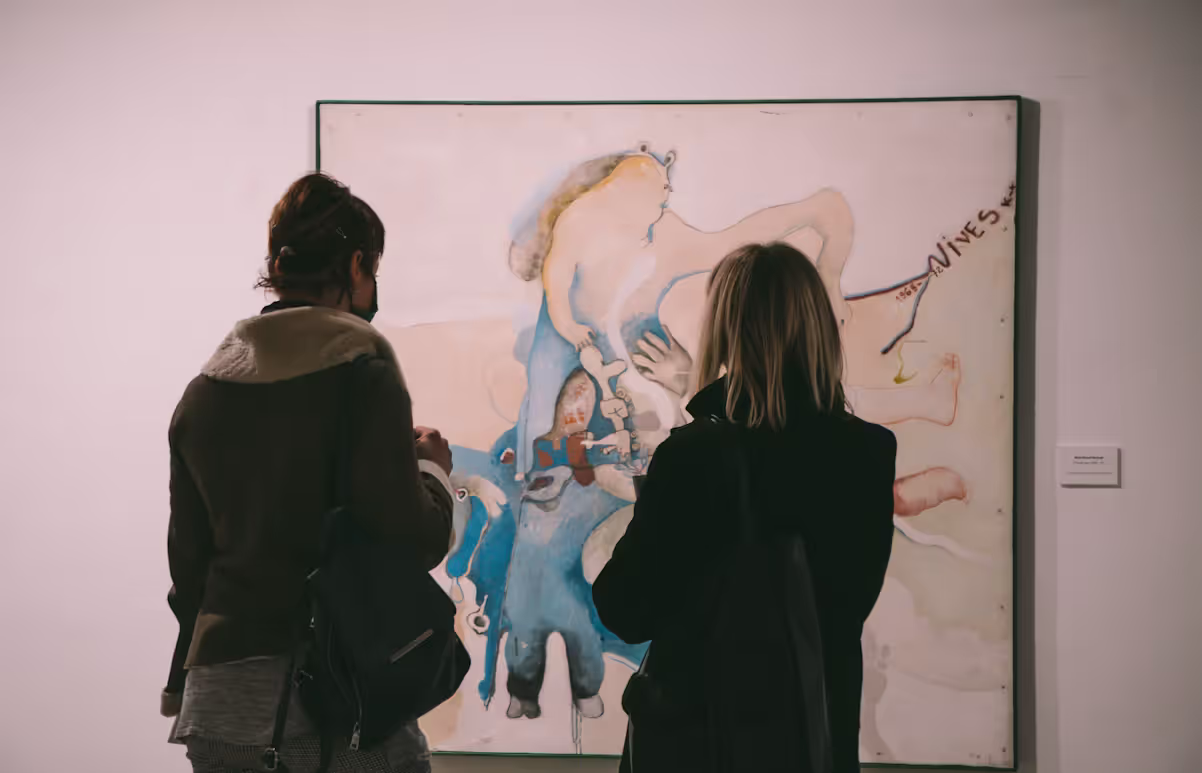
Successful collectors rarely describe a single moment when they suddenly understood art.
Instead, they speak about gradual change.
Years of visiting museums, returning to favourite exhibitions, studying auction catalogues, reading artist monographs, and quietly observing artworks from different perspectives slowly reshape the way they look. What first appears as instinct gradually becomes informed judgement built through experience rather than certainty.
This ability to look closely is one of the defining qualities of thoughtful collecting.
A painting reveals more than colour and composition. A sculpture communicates through proportion, balance, and material. A photograph invites attention to light, timing, and atmosphere. Every artwork rewards patience, encouraging viewers to move beyond first impressions and discover subtleties that become visible only through sustained observation.
For many collectors, this slow process of learning becomes one of the greatest pleasures of collecting itself.
Rather than pursuing constant acquisitions, they begin investing time in understanding artists, studying creative practice, comparing different bodies of work, and recognising how ideas evolve throughout an artist's career. Knowledge grows alongside the collection, making every future decision more confident and more rewarding.
Becoming a better collector therefore has little to do with owning more art.
It begins with learning to see more carefully.
Observation Before Acquisition
Experienced collectors often spend far longer looking than buying.
An artwork encountered at an exhibition may be revisited several times before any decision is made. Different lighting conditions, changing emotional responses, and conversations with specialists all contribute to a fuller understanding of the work.
This deliberate pace encourages thoughtful collecting.
Instead of reacting immediately, collectors ask themselves why a particular artwork continues attracting attention.
Is it the composition?
The craftsmanship?
The emotional atmosphere?
The originality of the idea?
Returning to the same work repeatedly often reveals qualities that were not immediately obvious during a first encounter.
Learning Through Comparison
One artwork rarely tells the complete story of an artist's practice.
Collectors therefore benefit from comparing multiple works created across different periods.
Changes in scale, colour, subject matter, materials, and composition reveal how artists refine their ideas over time.
Museum collections, gallery exhibitions, artist books, and auction catalogues all provide opportunities for this type of comparison.
Rather than focusing only on favourite pieces, collectors begin recognising recurring themes that define an artist's broader creative language.
This wider perspective strengthens both appreciation and confidence.
Asking Better Questions
Thoughtful collectors develop the habit of asking questions rather than searching for quick answers.
Instead of immediately asking, "Is this artwork valuable?" they ask:
- What is the artist trying to explore?
- How does this work relate to others in the same body of work?
- What materials and techniques have been used?
- What emotions or ideas continue drawing me back?
- Will this artwork remain meaningful after years of living with it?
These questions shift attention away from market speculation and toward genuine engagement with artistic practice.
Over time, they become the foundation of informed collecting.
Developing Personal Taste
One of the most rewarding stages of collecting begins when personal taste becomes stronger than public opinion.
In the early years, many collectors naturally seek guidance from museum exhibitions, gallery recommendations, books, and conversations with experienced professionals. These resources remain valuable, but over time something gradually changes.
Collectors begin recognising recurring patterns in their own interests.
They may consistently return to quiet photographic works rather than dramatic paintings.
They may feel drawn toward handcrafted ceramics instead of monumental sculpture.
They may discover a lasting appreciation for artists exploring light, landscape, or architectural space.
This growing self-awareness allows collecting to become more personal.
Rather than following fashionable movements, collectors build collections that genuinely reflect their curiosity and values.
The result is greater confidence and a stronger connection with every acquisition.
Looking Beyond Trends
The art world naturally experiences changing periods of attention.
Certain artistic styles, materials, or movements receive greater visibility for a time before new interests emerge.
Thoughtful collectors acknowledge these shifts without allowing them to define every decision.
Instead of asking whether an artwork is currently popular, they consider questions with longer-lasting relevance.
Will this work remain engaging after many years?
Does it reveal exceptional craftsmanship?
Does it contribute meaningfully to the artist's broader practice?
Will I continue enjoying living with it every day?
These questions encourage collecting built upon lasting appreciation rather than temporary excitement.
Many of the world's most admired private collections were assembled patiently over decades through consistent personal judgement rather than changing fashion.
Learning Through Exhibitions
Every exhibition offers an opportunity to become a better observer.
Collectors often visit exhibitions without any intention of acquiring artwork.
Instead, they compare different artists, study installation design, observe relationships between artworks, and notice how curators organise visual narratives.
Returning to the same exhibition more than once can be particularly valuable.
The first visit introduces unfamiliar ideas.
The second often reveals details that were initially overlooked.
The third encourages deeper reflection.
This repeated observation strengthens visual memory while gradually refining personal judgement.
For many experienced collectors, museum visits remain one of the most important forms of continuing education.
Building Confidence Through Knowledge
Confidence in collecting rarely appears suddenly.
It develops through repeated experiences.
Reading exhibition catalogues.
Visiting artist studios.
Attending lectures.
Comparing artworks.
Discussing ideas with curators and gallery specialists.
Living with art over many years.
Each experience adds another layer of understanding.
Eventually, collectors begin trusting their own observations while remaining open to learning from others.
This balance is important.
Confidence should never become certainty.
The strongest collectors remain curious throughout their lives, recognising that every exhibition, conversation, and artwork presents another opportunity to learn.
Collecting Is a Lifelong Conversation
Perhaps the greatest misconception about collecting is that expertise has a final destination.
In reality, experienced collectors rarely describe themselves as having finished learning.
Every new artist introduces unfamiliar perspectives.
Every exhibition raises fresh questions.
Every carefully observed artwork encourages another way of seeing.
This ongoing curiosity keeps collecting intellectually rewarding.
Rather than measuring success by the number of acquisitions, thoughtful collectors often measure it by the quality of attention they continue bringing to every encounter with art.
The collection therefore evolves alongside the collector.
Both continue growing together.
Collector's Insight
Great collectors are remembered not for how quickly they acquired art, but for how patiently they learned to understand it.
Conclusion
Becoming a better collector begins long before any purchase is made. It develops through careful observation, thoughtful research, meaningful conversations, and a willingness to return repeatedly to artworks with fresh perspective. Over time, these experiences transform collecting from the pursuit of beautiful objects into a lifelong practice of learning and discovery.
For collectors, every exhibition, catalogue, artist's studio, and quiet moment spent observing an artwork contributes to deeper understanding. Personal taste becomes more refined, confidence grows through experience, and collections gradually reflect curiosity rather than fashion. The most rewarding acquisitions are often those that continue revealing new ideas long after they enter the home.
Ultimately, exceptional collections are built not by following trends but by cultivating attention. The ability to look closely, ask thoughtful questions, and remain endlessly curious is what allows collectors to create collections that are both deeply personal and culturally meaningful.
Discover thoughtful editorial features exploring art collecting, contemporary artists, private collections, and the ideas that shape meaningful collecting through ModernPress.
Related Story

James Villiers
Art collecting specialist helping new and experienced collectors navigate acquisitions, provenance, market trends, and collection building strategies.