
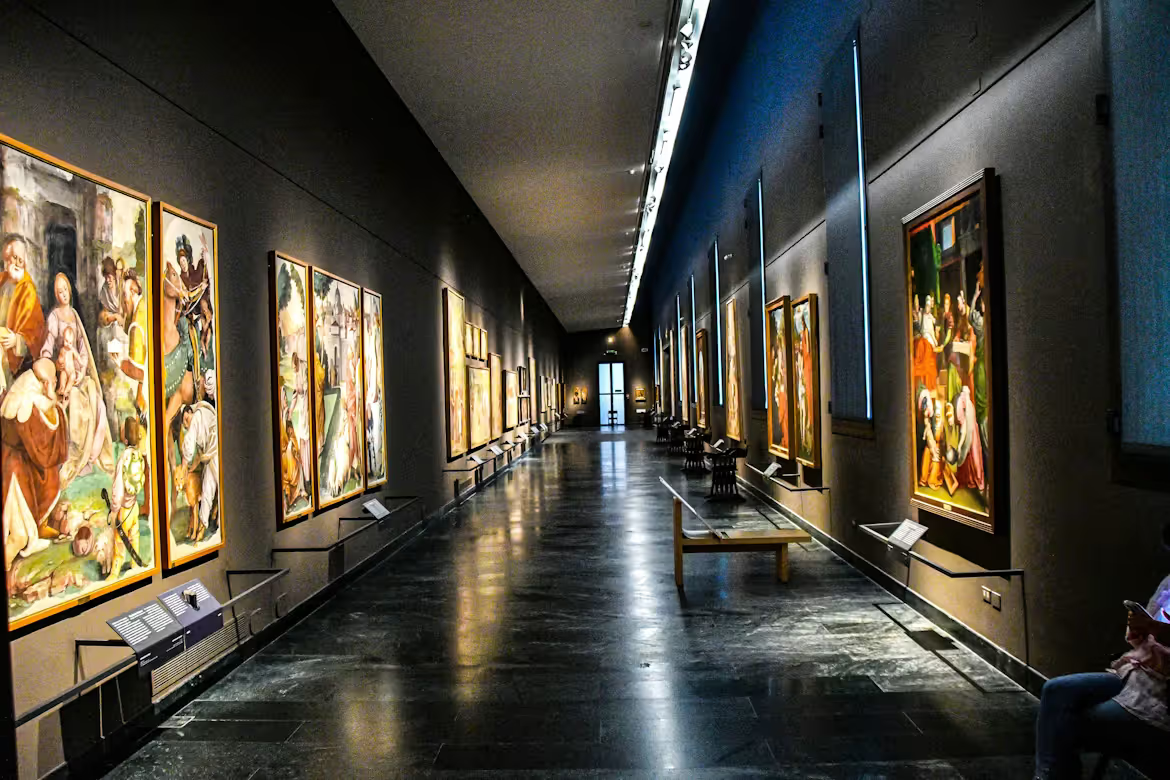
Walk into any respected contemporary art gallery and it is easy to focus solely on the artworks displayed on the walls. Paintings are carefully lit, sculptures thoughtfully positioned, and every exhibition appears effortless. Yet behind every successful exhibition lies years of careful research, countless studio visits, conversations with artists, and curatorial decisions that remain invisible to most visitors.
Commercial galleries play a vital role within today's art world. They introduce collectors to new artists, organise exhibitions, participate in international art fairs, publish exhibition catalogues, and help artists develop sustainable careers. Their work extends far beyond selling artworks. The strongest galleries invest in artists over many years, providing professional guidance while helping build meaningful relationships with collectors, museums, and institutions.
For emerging artists, gallery representation is often viewed as an important milestone, but it is rarely the beginning of success. Most artists spend years refining their practice, participating in independent exhibitions, and developing a consistent body of work before attracting the attention of established galleries.
Collectors also benefit from understanding how galleries select the artists they represent. Recognising the qualities galleries value—such as originality, consistency, professionalism, and long-term creative development—provides useful insight when evaluating emerging talent.
Understanding this process reveals that gallery success is built not on chance or trends, but on sustained commitment to artistic excellence and thoughtful collaboration.
Galleries Do More Than Sell Art
One of the most common misconceptions about commercial galleries is that their primary purpose is simply to sell artwork.
In reality, reputable galleries serve as long-term partners in an artist's career. They organise solo and group exhibitions, introduce artists to collectors, coordinate participation in art fairs, assist with pricing strategies, manage logistics, produce exhibition catalogues, and often help secure museum acquisitions or institutional opportunities.
Many galleries also document an artist's career through professional photography, publications, and archival records, ensuring that each exhibition contributes to the artist's long-term professional history.
For collectors, galleries provide valuable context by explaining an artist's creative practice, exhibition history, and career development. This educational role helps buyers make informed decisions while fostering deeper appreciation for the work itself.
Discovering New Artists
There is no single path through which galleries discover emerging talent.
Curators and gallery directors regularly visit graduate exhibitions, artist-run spaces, open studios, residency programmes, regional exhibitions, and independent art fairs. Recommendations from artists, curators, collectors, and museum professionals also play an important role.
Studio visits remain one of the most valuable ways for galleries to understand an artist's practice. Seeing works in progress, discussing ideas directly with the artist, and observing the broader body of work provides insight that cannot be gained from individual images alone.
Rather than searching for artists who already have widespread recognition, many galleries seek individuals demonstrating consistency, originality, and a clear commitment to long-term creative development.
The Importance of Studio Visits
Among the many ways galleries evaluate artists, few are as valuable as the studio visit. While a portfolio or exhibition may present finished works, a studio reveals something much deeper—the artist's creative process.
During a studio visit, gallery directors and curators observe works in progress, discuss current research, and gain insight into how ideas develop over time. They often see unfinished paintings, sketches, reference materials, experiments with new techniques, and future projects that may never appear in public exhibitions.
These conversations help galleries determine whether an artist possesses more than technical skill. They reveal curiosity, discipline, consistency, and the ability to sustain a meaningful creative practice.
For collectors, understanding the importance of studio visits provides a new perspective on artistic development. The strongest artists are rarely judged by a single successful work; instead, they are evaluated through the strength and coherence of their entire body of work.
Why a Strong Portfolio Matters
A portfolio is much more than a collection of attractive images. It tells the story of an artist's practice.
When galleries review portfolios, they are not simply asking whether individual artworks are visually impressive. They look for consistency of ideas, technical development, originality, and evidence that the artist has developed a distinctive creative direction.
An effective portfolio usually demonstrates:
- A cohesive body of work rather than unrelated experiments.
- High-quality documentation with accurate colour representation.
- Clear titles, dates, dimensions, and materials.
- An artist statement explaining the ideas behind the work.
- Recent exhibition history and professional achievements.
A carefully prepared portfolio reflects professionalism and helps galleries understand how an artist thinks as well as what they create.
What Galleries Look For
Every gallery has its own curatorial vision, but several qualities consistently influence representation decisions.
Originality
Galleries seek artists who contribute something personal to contemporary art rather than simply following popular styles.
Consistency
A strong body of work demonstrates commitment and sustained creative development.
Professionalism
Meeting deadlines, maintaining communication, documenting artwork properly, and presenting work professionally all contribute to successful gallery relationships.
Long-Term Potential
Rather than searching for immediate commercial success, many galleries invest in artists whose practice demonstrates the potential to grow over many years.
Commitment to Practice
Artists who continue researching, experimenting, and producing work consistently often attract greater confidence from galleries than those pursuing short-term visibility.
For collectors, these same qualities provide useful criteria when evaluating emerging artists.
Building Long-Term Relationships
Gallery representation is rarely based on a single successful exhibition.
The strongest partnerships develop gradually through trust, communication, and shared goals. Galleries invest considerable time in organising exhibitions, introducing collectors, producing publications, participating in art fairs, and promoting artists internationally.
In return, artists maintain an active studio practice while continuing to develop new ideas that strengthen their long-term careers.
These relationships often extend across decades, allowing galleries to present an artist's evolving practice while helping collectors follow that journey over time.
Collectors also benefit from developing long-term relationships with galleries. Regular visits, thoughtful conversations, and continued engagement often provide opportunities to discover new artists before they become widely recognised.
Common Misconceptions About Gallery Representation
Several misunderstandings continue to shape perceptions of commercial galleries.
"Submitting a portfolio guarantees representation."
Most galleries receive many submissions and carefully evaluate whether an artist's work aligns with their curatorial programme. Representation is rarely determined by a single portfolio alone.
"Successful artists only work with one gallery."
Many established artists collaborate with multiple galleries across different cities or countries, each serving different audiences and markets.
"Gallery representation guarantees commercial success."
While galleries provide valuable support, artistic careers continue to depend upon consistent creative development, exhibitions, critical engagement, and long-term commitment.
"Collectors should only buy gallery-represented artists."
Many exceptional artists build successful careers independently, particularly during the early stages of their professional practice.
Understanding these realities encourages more balanced expectations for both artists and collectors.
Why Galleries Continue to Matter
The contemporary art world has changed dramatically with digital platforms and online viewing rooms making artworks more accessible than ever before. Yet galleries remain essential because they provide something technology cannot replace—personal relationships.
A gallery creates opportunities for dialogue between artists, collectors, curators, and institutions. It offers carefully curated exhibitions, introduces new perspectives, and builds trust through expertise developed over many years.
For collectors, galleries remain places of discovery rather than simply places of purchase. Every exhibition presents an opportunity to encounter unfamiliar artists, expand visual knowledge, and engage with contemporary ideas in meaningful ways.
Collector's Insight
A gallery should never simply sell you an artwork. It should help you understand the artist, the ideas behind the work, and how that artwork fits within a broader creative journey.
Conclusion
Behind every successful gallery exhibition lies years of thoughtful collaboration, careful research, and mutual trust between artists and galleries. Representation is not simply about displaying artwork—it is about nurturing careers, supporting creative development, and introducing meaningful work to wider audiences.
For collectors, understanding this process transforms the gallery experience. Conversations become more engaging, exhibitions become more insightful, and artworks are appreciated within the broader context of an artist's evolving practice rather than as isolated objects.
Whether you are discovering emerging artists or expanding an established collection, galleries remain among the most valuable places to learn, ask questions, and experience contemporary art firsthand. Their role extends well beyond commerce, helping shape the cultural conversations that define each generation of artists.
Continue exploring the contemporary art world through expert editorial features, artist profiles, collecting guides, exhibition coverage, and market insights from ModernPress.
Related Story
How Emerging Artists Build Successful Careers

Genevieve Laurent
Contemporary art journalist focused on emerging artists, gallery exhibitions, and the evolving global art scene. She regularly covers major art fairs and cultural institutions.