
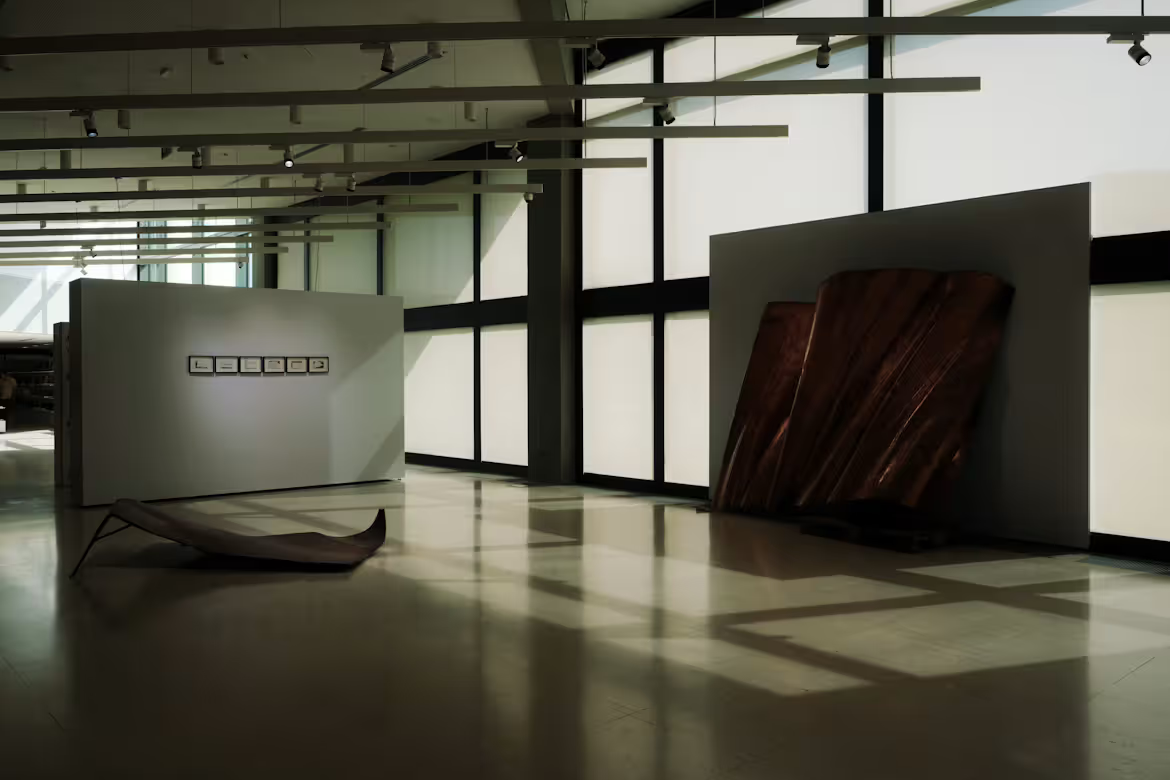
Walking through a thoughtfully curated museum exhibition is a very different experience from simply viewing individual works of art. Each gallery unfolds like a carefully constructed narrative, guiding visitors through ideas, historical moments, artistic movements, and creative relationships that might otherwise remain invisible. Rather than presenting isolated masterpieces, exhibitions reveal how artworks speak to one another across time, geography, and culture.
For collectors, exhibitions are among the most valuable learning environments in the art world. They provide opportunities to study artists within broader historical contexts, compare different creative approaches, and develop a deeper understanding of materials, techniques, and curatorial interpretation. Even experienced collectors regularly visit exhibitions not to purchase artworks, but to refine their visual knowledge and discover new perspectives.
Museums also play an essential educational role. Through exhibitions, they preserve cultural heritage while making complex artistic ideas accessible to diverse audiences. Carefully researched catalogues, interpretive texts, guided tours, and public programmes transform exhibitions into experiences that extend far beyond the gallery walls.
In recent decades, exhibitions have become increasingly collaborative. Museums frequently partner with international institutions, lenders, conservation specialists, and scholars to present ambitious projects that bring together artworks rarely displayed side by side. These collaborations allow visitors to experience connections that would otherwise require travelling across multiple countries and collections.
Whether focused on a single artist, a historical movement, or a contemporary theme, museum exhibitions continue to shape the way people understand, appreciate, and collect art. Their greatest achievement lies not only in displaying extraordinary objects but in helping visitors see familiar works through entirely new perspectives.
More Than a Collection of Artworks
One of the most common misconceptions about museum exhibitions is that they simply display a selection of important works.
In reality, every exhibition begins with a curatorial question.
Curators determine the ideas they wish to explore before selecting artworks that contribute meaningfully to that narrative. A successful exhibition is therefore not defined by the number of famous pieces it contains, but by how effectively those works communicate a coherent story.
Lighting, gallery layout, interpretive texts, object placement, colour, pacing, and visitor flow all influence how audiences experience the exhibition.
Each decision contributes to a carefully orchestrated environment where every artwork supports a larger conversation.
The Role of Curators
Curators are often described as storytellers within museums.
Their work extends far beyond selecting artworks. They conduct research, collaborate with artists and scholars, coordinate loans from institutions around the world, oversee exhibition catalogues, and work closely with conservators, designers, and educators.
A curator must balance historical accuracy with visitor engagement, ensuring exhibitions remain intellectually rigorous while welcoming audiences with varying levels of knowledge.
For collectors, understanding curatorial practice offers valuable insight into how artworks can be interpreted within broader cultural and historical frameworks.
It also demonstrates that context frequently enriches appreciation as much as the artwork itself.
Exhibitions Encourage Looking Slowly
Modern life often encourages rapid consumption of visual information.
Museum exhibitions invite the opposite.
Rather than moving quickly from one artwork to the next, visitors are encouraged to pause, observe carefully, compare details, and reflect upon relationships between different works.
Many collectors develop stronger visual judgement through this slower approach. Spending time with fewer artworks often reveals compositional decisions, material qualities, and conceptual ideas that might otherwise go unnoticed.
Thoughtful observation remains one of the most valuable skills any collector can develop.
Educational Programmes Extend the Experience
A museum exhibition rarely ends at the gallery entrance.
Today's museums develop extensive educational programmes that help visitors engage more deeply with the ideas presented throughout an exhibition. Public lectures, curator talks, artist conversations, guided tours, family workshops, academic conferences, and educational publications all contribute to a richer understanding of the artworks on display.
These programmes recognise that visitors arrive with different levels of knowledge and experience. Some may be encountering contemporary art for the first time, while others bring years of collecting or academic study. By offering multiple ways to engage with exhibitions, museums create welcoming environments where curiosity is encouraged rather than expertise expected.
For collectors, attending these events often provides insights unavailable through labels alone. Hearing curators discuss exhibition themes or artists explain their creative process adds valuable context that continues to influence how artworks are viewed long after leaving the museum.
The educational mission of museums therefore extends beyond preserving collections—it helps cultivate informed audiences who continue supporting art throughout their lives.
International Collaboration Expands Cultural Understanding
Many of the world's most ambitious exhibitions would not be possible without international collaboration.
Museums regularly work together by lending artworks, sharing research, coordinating conservation projects, and developing exhibitions that travel between countries. These partnerships allow audiences to experience remarkable works that would otherwise remain separated by geography.
International collaboration also enriches scholarship. Bringing together artworks from different collections often reveals new connections between artists, movements, and historical periods that had previously gone unnoticed.
For visitors, these exhibitions provide opportunities to explore global artistic traditions without travelling extensively. They encourage appreciation for cultural exchange while demonstrating that creativity has always developed through dialogue across borders.
Collectors benefit from these broader perspectives as well. Exposure to diverse artistic practices often expands collecting interests while deepening understanding of art within an international context.
Exhibition Catalogues: Lasting Resources
Although exhibitions eventually close, their catalogues often remain valuable resources for years afterwards.
A thoughtfully produced catalogue documents the exhibition through high-quality photography, scholarly essays, artist biographies, provenance information, and curatorial research. Rather than serving simply as souvenirs, these publications preserve important knowledge that continues supporting future scholarship.
Collectors frequently build personal libraries of exhibition catalogues because they provide reliable reference material when researching artists, comparing works, or studying historical movements.
Unlike brief gallery labels, catalogue essays allow curators and researchers to explore ideas in greater depth, offering perspectives that enrich future encounters with the artworks.
Over time, these publications become part of the documented history of both exhibitions and the artists they present.
What Collectors Can Learn from Exhibitions
Museum exhibitions remain among the most valuable educational resources available to collectors.
They encourage close observation while demonstrating how artworks relate to one another through shared themes, techniques, historical contexts, and cultural influences.
Experienced collectors often visit exhibitions with specific questions rather than expectations. They may compare how artists approach similar subjects, observe changes within a single artist's career, or study the presentation of sculpture, photography, and design objects within carefully curated environments.
Several habits can make exhibition visits especially rewarding:
- Spend time with fewer artworks rather than rushing through every gallery.
- Read introductory texts before viewing the exhibition.
- Compare artworks created during different periods.
- Observe how lighting and display influence perception.
- Make notes about artists or ideas worth exploring later.
These simple practices gradually strengthen visual literacy while encouraging more thoughtful collecting decisions.
Exhibitions Inspire Future Collections
Many private collections begin with a memorable museum visit.
A single exhibition can introduce visitors to unfamiliar artists, overlooked artistic movements, or creative ideas that continue shaping collecting interests for years.
Collectors often discover recurring themes through repeated museum visits. They may become interested in ceramics after viewing a design exhibition, explore photography following a retrospective, or develop greater appreciation for contemporary sculpture through carefully curated installations.
This process of gradual discovery reflects one of the greatest strengths of museum exhibitions.
Rather than telling visitors what to collect, they encourage exploration, reflection, and personal engagement with art. Every exhibition offers opportunities to refine individual taste while expanding cultural understanding.
Why Exhibitions Remain Essential
Digital technology has transformed access to museum collections through online archives, virtual tours, and high-resolution photography.
Yet exhibitions continue offering experiences that digital images cannot fully replace.
The scale of a painting, the texture of a sculpture, the atmosphere of a gallery, and the relationships between neighbouring artworks become fully apparent only through direct observation.
Equally important are the emotional qualities of visiting museums. Moving through carefully designed spaces, encountering artworks unexpectedly, and sharing experiences with other visitors creates a sense of discovery that extends beyond information alone.
For this reason, exhibitions remain central to how museums fulfil their educational and cultural missions.
Collector's Insight
Visit exhibitions with questions rather than expectations. The artwork that changes your perspective is often the one you never planned to see.
Conclusion
Museum exhibitions continue to shape the way we experience, understand, and collect art. Through thoughtful curation, scholarly research, and carefully designed visitor experiences, they transform individual artworks into meaningful conversations that span cultures, generations, and artistic disciplines.
For collectors, exhibitions provide opportunities to slow down, observe carefully, and develop deeper appreciation for the ideas, craftsmanship, and historical context behind every work. They encourage informed collecting rooted in curiosity rather than familiarity, while reminding us that great art reveals new meanings each time it is encountered.
Whether exploring a retrospective devoted to a single artist or a thematic exhibition connecting diverse creative practices, museum exhibitions remain among the most inspiring experiences within the cultural world. Their lasting value lies not simply in what they display, but in how they encourage us to see.
Continue exploring museums, exhibitions, collecting, and contemporary culture through in-depth editorial features from ModernPress.
Related Story
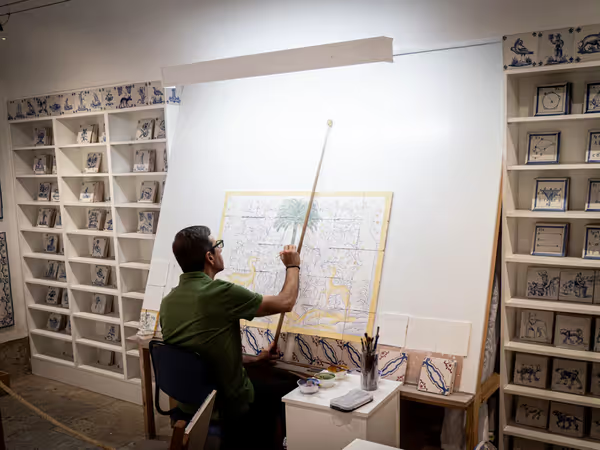
How Curators Build Exhibitions That Tell Stories

Isabelle Fontaine
Culture writer exploring museums, exhibitions, artistic movements, and the stories behind influential works of art. Her reporting connects art with everyday cultural life.