
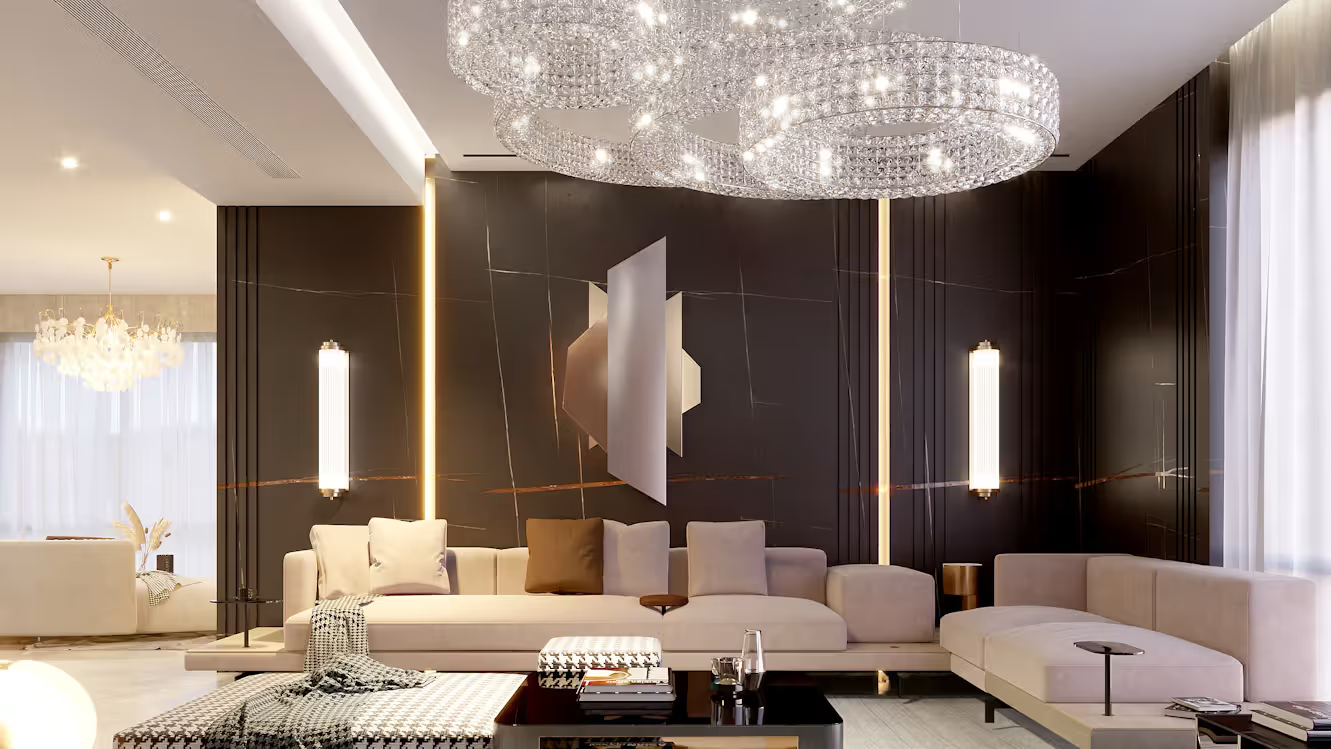
Walk into a leading design fair or museum today and one thing quickly becomes apparent: furniture, lighting, ceramics, and decorative objects are no longer viewed simply as functional possessions. Increasingly, they are appreciated as works of art—carefully crafted pieces that combine utility with creative vision.
This growing appreciation has transformed collectible design into one of the most dynamic areas of today's cultural landscape. Collectors who once focused exclusively on paintings or sculpture are expanding their interests to include handcrafted furniture, limited-edition lighting, studio ceramics, blown glass, metalwork, and other exceptional design objects.
Unlike mass-produced products, collectible design celebrates originality, craftsmanship, and thoughtful production. Many pieces are created in limited editions or by independent designers working closely with specialist workshops and traditional artisans. The result is an object that carries both practical purpose and artistic significance.
For collectors, this combination is particularly compelling. A chair, table, lamp, or ceramic vessel can become part of everyday life while simultaneously reflecting the creativity, technical expertise, and cultural influences of its maker. These objects are experienced through daily interaction rather than viewed only within gallery walls.
As museums, galleries, and international design fairs continue to dedicate greater attention to collectible design, public appreciation has grown accordingly. Today, design occupies an important position alongside contemporary art, demonstrating that craftsmanship and innovation remain central to modern collecting.
What Is Collectible Design?
Collectible design refers to thoughtfully created objects valued for their artistic, historical, or cultural significance as much as for their practical function.
Unlike furniture or decorative accessories produced for mass markets, collectible design often involves limited production, exceptional craftsmanship, and a clear creative vision. Each piece reflects careful consideration of materials, proportion, construction, and purpose.
The category encompasses a remarkable range of disciplines, including:
- Furniture
- Lighting
- Ceramics
- Glass
- Metalwork
- Textile design
- Decorative objects
- Functional sculpture
Many contemporary designers collaborate directly with skilled artisans, preserving traditional craft techniques while introducing innovative forms suited to modern living.
For collectors, this balance between function and artistic expression distinguishes collectible design from ordinary manufactured products.
Where Art Meets Function
Perhaps the defining characteristic of collectible design is its ability to unite beauty with everyday use.
Unlike paintings displayed on walls, design objects often become part of daily routines. A handcrafted chair provides seating. A ceramic vessel may hold flowers. A sculptural lamp illuminates a room while acting as an artistic focal point.
This relationship between functionality and aesthetics encourages a different type of appreciation. Owners develop ongoing relationships with these objects, experiencing their craftsmanship through repeated use rather than occasional observation.
For many collectors, this daily interaction creates a particularly meaningful connection with design, making collectible objects feel both personal and enduring.
The Enduring Value of Craftsmanship
At the heart of every exceptional design object lies craftsmanship. While materials and aesthetics may vary, the finest collectible pieces share a commitment to precision, skill, and thoughtful construction.
Many contemporary designers continue to work alongside cabinetmakers, ceramicists, glassblowers, metalworkers, textile specialists, and other artisans whose expertise has been refined over decades. Rather than relying solely on industrial production, these collaborations celebrate traditional techniques while encouraging creative innovation.
Every handcrafted detail reflects countless hours of planning, experimentation, and execution. The grain selected for a wooden table, the balance of a ceramic vessel, or the surface texture of cast bronze all contribute to an object's character.
For collectors, craftsmanship offers something that extends beyond visual appeal. It creates confidence that an object has been designed to endure, both physically and aesthetically, becoming more meaningful with time rather than less.
Why Limited Editions Matter
One reason collectible design has gained significant attention is the increasing popularity of limited-edition production.
Rather than manufacturing thousands of identical pieces, many designers intentionally produce small editions. Some create only eight or ten examples of a particular chair or lighting design, while others produce unique one-of-one objects.
Limited production allows designers to focus on quality rather than quantity. It also encourages experimentation with complex materials and handcrafted techniques that would be impractical within large-scale manufacturing.
Collectors appreciate limited editions because they combine rarity with artistic intention. Each object represents a carefully considered design rather than a mass-market product.
However, rarity alone does not create collectibility. Exceptional design, thoughtful craftsmanship, originality, and cultural relevance remain equally important considerations.
The Growing Influence of Design Fairs
International design fairs have become important meeting places for designers, galleries, collectors, architects, and museums.
These events introduce new work, encourage dialogue around contemporary design, and provide opportunities to discover emerging creative voices alongside internationally recognised designers.
Unlike traditional furniture exhibitions focused primarily on commercial products, collectible design fairs emphasise limited editions, experimental materials, and artisanal craftsmanship. Visitors encounter furniture, lighting, ceramics, textiles, and sculptural objects presented within carefully curated environments that highlight both function and artistic expression.
For collectors, design fairs offer valuable opportunities to compare different designers, observe changing trends, and engage directly with galleries and makers. Even those who do not intend to purchase immediately often leave with a deeper understanding of contemporary design practice.
Building a Thoughtful Design Collection
Starting a design collection follows many of the same principles as collecting fine art.
Rather than purchasing objects simply because they appear fashionable, experienced collectors begin by identifying the types of design that genuinely resonate with them. Some focus on handcrafted ceramics, while others develop collections centred around lighting, seating, glass, or decorative objects.
Questions worth considering include:
- Does the object demonstrate exceptional craftsmanship?
- Is the designer's creative vision clearly expressed?
- Will the piece remain meaningful beyond current trends?
- How does it relate to other objects within the collection?
- Does it enrich everyday living as well as visual appreciation?
Collections built around personal curiosity often prove more rewarding than those assembled according to short-term market popularity.
Living With Collectible Design
One of the greatest pleasures of collectible design is that it is experienced daily.
Unlike artworks that may be viewed occasionally, design objects often become integrated into everyday routines. A handcrafted chair is used for conversation, a ceramic vessel becomes part of the dining table, and a sculptural lamp transforms the atmosphere of a room each evening.
This continuous interaction creates a unique relationship between owner and object. Over time, these pieces accumulate personal memories while retaining their artistic significance.
Many collectors describe this balance between utility and beauty as one of the defining qualities that distinguishes collectible design from other collecting categories.
Living with thoughtfully designed objects encourages greater appreciation for proportion, materials, craftsmanship, and the subtle ways design influences everyday life.
Caring for Design Objects
Although many collectible design pieces are functional, they still require careful maintenance.
Wood should be protected from excessive moisture and direct sunlight. Ceramic and glass objects benefit from stable display environments that minimise the risk of accidental damage. Metal surfaces may require occasional specialist care depending on their finish, while upholstered furniture should be cleaned using methods appropriate to its materials.
Collectors should also retain purchase documentation, certificates, invoices, and maker information. These records contribute to provenance while supporting future conservation and collection management.
Preventive care ensures that design objects continue to be appreciated for generations while preserving both their functionality and artistic integrity.
Collector's Insight
The finest design objects improve everyday life without demanding attention. Their quality reveals itself gradually through craftsmanship, thoughtful proportions, and years of daily use.
Conclusion
Collectible design has transformed the way we think about functional objects. No longer viewed simply as furniture or decoration, exceptional design pieces are increasingly recognised as expressions of artistic vision, technical mastery, and cultural identity.
For collectors, this growing appreciation creates opportunities to engage with creativity in a uniquely personal way. Design objects become part of everyday routines while reflecting the ideas, craftsmanship, and innovation of their makers.
Whether beginning with a handcrafted ceramic vessel or developing a carefully curated collection of furniture and lighting, the principles remain consistent: collect thoughtfully, value craftsmanship, and choose objects that continue to inspire long after trends have passed.
Ultimately, the most memorable design collections are not defined by rarity alone but by the meaningful relationships they create between people, objects, and the spaces they inhabit.
Discover exceptional craftsmanship, contemporary design, collecting guides, and thoughtful editorial features exploring the evolving world of art, design, and culture.
Related Story

When Architecture Becomes a Work of Art

Alexander Moreau
Design writer and curator covering collectible design, architecture, decorative arts, and contemporary craftsmanship. His work explores the intersection of art, function, and cultural value.