
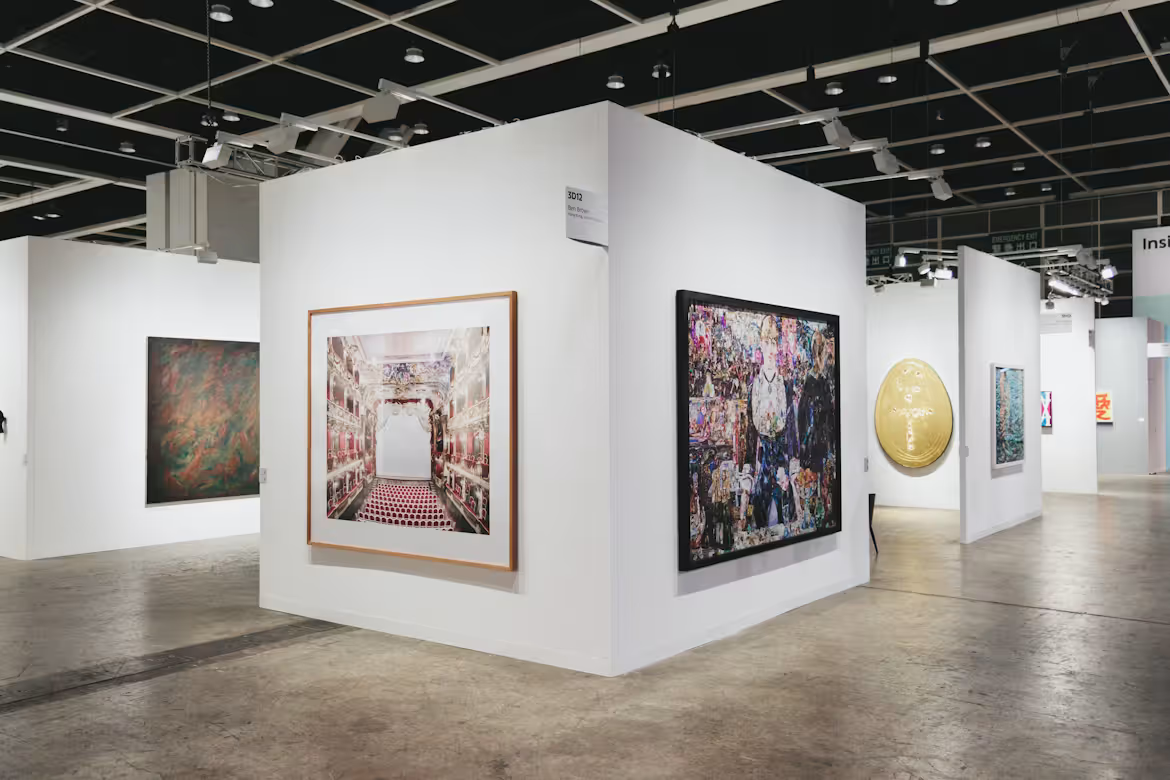
Over the past few decades, art fairs have become some of the most influential events in the international art world. For a few days each year, galleries from different countries gather under one roof, presenting carefully curated exhibitions to collectors, museum professionals, curators, designers, and members of the public. What once served primarily as commercial marketplaces has evolved into an important platform for artistic discovery, professional networking, and cultural dialogue.
For collectors, art fairs offer a rare opportunity to explore an extraordinary range of contemporary art within a single visit. Rather than travelling between multiple cities or galleries, visitors can encounter diverse artistic practices, compare gallery programmes, and discover emerging artists from around the world in one carefully organised environment.
Galleries also benefit significantly. Participation allows them to introduce represented artists to international audiences, establish new collector relationships, and engage directly with museums and institutions seeking works for exhibitions or permanent collections.
Art fairs have also become important cultural events. Talks, panel discussions, guided tours, educational programmes, and special exhibitions encourage conversations that extend well beyond buying and selling. These experiences help visitors understand artistic practice, current cultural themes, and broader developments shaping contemporary art.
Although commercial activity remains an important part of every fair, their lasting influence comes from something much larger: creating connections between people, ideas, and creativity across national and cultural boundaries.
What Is an Art Fair?
An art fair is a temporary event where galleries present artworks by the artists they represent within dedicated exhibition spaces.
Unlike museums, which organise exhibitions around historical or curatorial themes, art fairs bring together dozens or even hundreds of independent galleries, each presenting its own carefully selected programme.
Visitors may encounter:
- Contemporary painting
- Sculpture
- Photography
- Installation art
- Design objects
- Ceramics
- Glass
- Works on paper
- Textile art
This diversity makes art fairs one of the most efficient ways to experience the breadth of today's creative landscape.
For newcomers, fairs also provide an accessible introduction to collecting, allowing direct conversations with galleries and opportunities to compare different artistic approaches.
Why Galleries Participate
Preparing for an art fair requires considerable planning and investment.
Galleries spend months selecting artworks, designing exhibition booths, coordinating transport, producing catalogues, and organising meetings with collectors and institutions.
Participation is about much more than immediate sales.
Art fairs allow galleries to:
- Introduce artists to international audiences.
- Strengthen relationships with existing collectors.
- Meet museum curators and advisors.
- Build collaborations with other galleries.
- Increase long-term visibility for represented artists.
Many important professional relationships begin during these events and continue long after the fair has closed.
A Place for Discovery
One of the greatest strengths of an art fair is its ability to introduce visitors to artists they may never have encountered otherwise.
Collectors often arrive intending to visit specific galleries but leave having discovered entirely new creative practices. Emerging artists exhibit alongside internationally recognised names, encouraging meaningful comparisons across generations and cultures.
This atmosphere of discovery keeps fairs intellectually engaging while reminding visitors that the contemporary art world continues to evolve through new ideas and diverse perspectives.
Rather than reinforcing familiar tastes, art fairs encourage curiosity and exploration—qualities that remain essential to thoughtful collecting.
Museums, Curators, and Institutional Engagement
Art fairs are not designed exclusively for private collectors. Museums, curators, and cultural institutions also play an important role in these events, using them to discover artists, strengthen relationships with galleries, and identify works for exhibitions or permanent collections.
Curators often spend significant time researching gallery presentations before making acquisition decisions. Rather than evaluating individual artworks in isolation, they consider how new pieces might contribute to broader museum narratives, complement existing collections, or support future exhibitions.
For artists, institutional interest represents an important milestone. Inclusion within a museum collection or exhibition often expands scholarly attention while introducing their work to wider audiences.
Collectors benefit as well. Museum participation frequently highlights artists whose practices demonstrate long-term cultural significance rather than short-lived popularity.
More Than a Marketplace
One of the biggest misconceptions surrounding art fairs is that they exist only to facilitate sales.
In reality, the strongest fairs function as cultural events where education, conversation, and discovery are equally important.
Many fairs include:
- Curator-led tours.
- Artist conversations.
- Panel discussions.
- Educational workshops.
- Guided exhibition programmes.
- Public installations.
- Talks on collecting and conservation.
These events encourage visitors to engage with contemporary art beyond the commercial aspects of the fair.
For first-time collectors, attending discussions often provides valuable insight into artistic practice, collecting strategies, and current cultural conversations.
The educational dimension has become one of the defining characteristics of today's leading international art fairs.
Building Relationships Through Art Fairs
Art collecting has always been shaped by relationships.
Art fairs provide rare opportunities for collectors to meet gallery directors, artists, curators, advisors, museum professionals, and fellow collectors within the same environment.
These conversations frequently continue long after the event concludes.
Collectors often return to the same galleries each year, developing long-term relationships based on trust, shared interests, and ongoing dialogue rather than individual purchases.
Similarly, galleries gain deeper understanding of collectors' interests over time, allowing them to introduce artists whose work genuinely aligns with those preferences.
These relationships contribute to one of the most valuable aspects of collecting: continuous learning through meaningful human interaction.
The Digital Evolution of Art Fairs
Technology has transformed how art fairs operate without replacing the experience of visiting them in person.
Many fairs now offer digital viewing rooms that allow collectors to preview artworks before arriving or explore exhibitions remotely if they cannot attend.
Online catalogues, virtual booth tours, live-streamed discussions, and appointment scheduling have made fairs more accessible to international audiences while helping galleries extend their reach beyond the exhibition halls.
Despite these innovations, physical fairs continue to offer experiences that digital platforms cannot fully replicate.
Scale, material quality, texture, colour, craftsmanship, and conversations with artists or gallery representatives remain best experienced in person.
Digital tools have expanded access, but direct engagement remains central to understanding art.
Common Misconceptions About Art Fairs
Several assumptions discourage newcomers from attending art fairs, even though many are open to a wide audience.
"Art fairs are only for wealthy collectors."
Many visitors attend simply to learn, discover new artists, and experience contemporary art without purchasing anything.
"Everything displayed is immediately for sale."
Some works have already been reserved, while others may be presented primarily to showcase an artist's broader practice or support museum discussions.
"You need expert knowledge before attending."
Curiosity is far more valuable than expertise. Art fairs are excellent places to ask questions, observe different artistic approaches, and gradually build confidence.
"Art fairs only feature established artists."
Leading fairs often dedicate sections specifically to emerging galleries and early-career artists, creating opportunities for discovery alongside internationally recognised names.
Understanding these realities makes art fairs far more welcoming and accessible than many people expect.
Why Art Fairs Continue to Shape the Art World
Art fairs have become influential because they bring together every part of the contemporary art ecosystem.
Artists introduce new bodies of work, galleries strengthen professional relationships, museums discover future acquisitions, collectors expand their knowledge, and curators exchange ideas that influence future exhibitions.
Few cultural events offer such concentrated opportunities for dialogue and discovery.
Rather than replacing galleries or museums, fairs complement them by creating temporary spaces where global artistic communities can meet, collaborate, and share ideas.
This collaborative spirit continues to make art fairs one of the defining institutions within contemporary art.
Collector's Insight
Attend an art fair with the goal of learning rather than buying. The conversations you have and the artists you discover often become far more valuable than any immediate purchase.
Conclusion
Art fairs have evolved far beyond their commercial origins. Today, they serve as vibrant cultural platforms where artists, galleries, museums, collectors, and institutions come together to exchange ideas, discover new talent, and strengthen the relationships that sustain the global art world.
For collectors, fairs provide an exceptional opportunity to compare artistic practices, engage directly with experts, and develop a deeper understanding of contemporary creativity. Every visit offers the chance to encounter unfamiliar perspectives, broaden collecting interests, and build meaningful connections within the wider artistic community.
Whether you leave with a new acquisition or simply a notebook filled with ideas, the greatest value of an art fair lies in its ability to inspire curiosity. By encouraging thoughtful exploration rather than hurried decision-making, these events continue to shape not only the art market but also the future of contemporary culture.
Explore expert editorial features on collecting, exhibitions, galleries, artists, and the evolving global art market through ModernPress.
Related Story
Why Provenance Matters When Collecting Art

Marcus Chen
Art market analyst covering auctions, collecting trends, gallery economics, and developments shaping the global art market.