
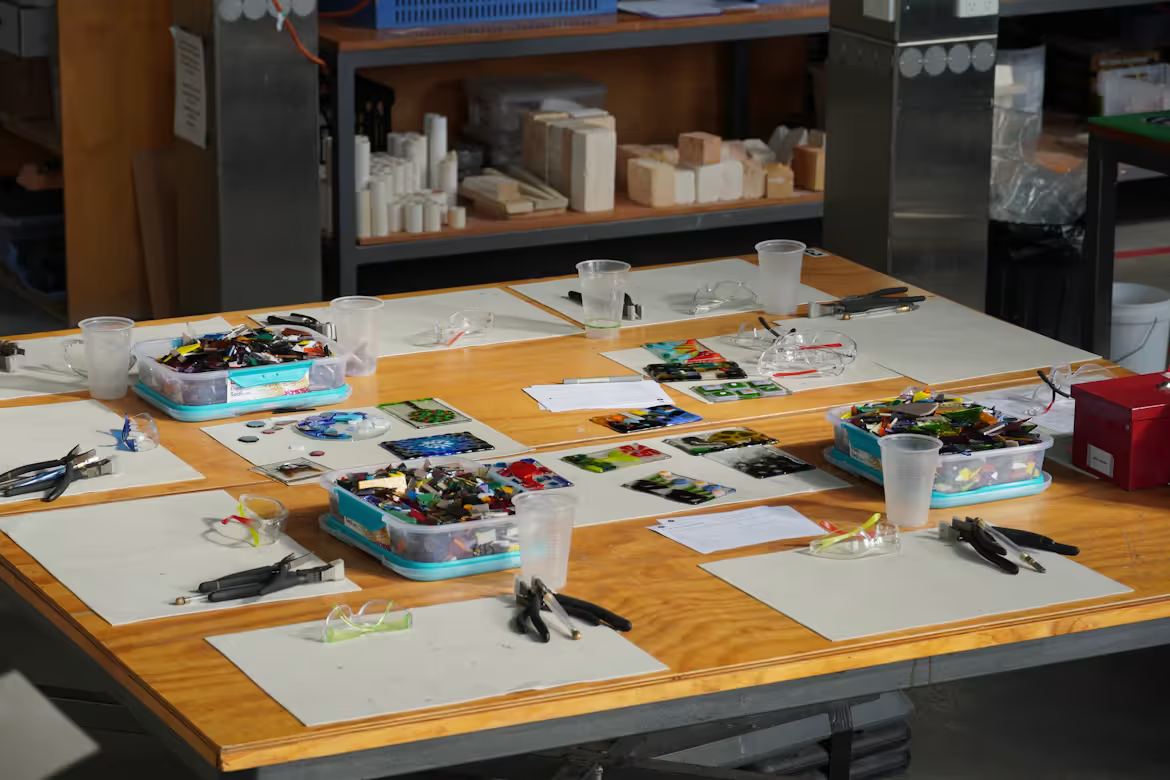
Walk into the studio of many contemporary artists today and you may find unexpected materials alongside traditional paints, stone, or bronze. Discarded timber rests beside carefully stretched canvases. Reclaimed metal sits next to hand-carved wood. Fragments of textiles, paper, glass, and natural fibres become the starting point for entirely new artistic ideas.
This shift reflects more than changing studio practices.
Across the contemporary art world, artists are increasingly considering where materials come from, how they are produced, and what happens to them after an artwork is completed. Rather than viewing sustainability as a limitation, many see it as an opportunity for creative innovation. Familiar materials acquire new meaning when they are transformed through craftsmanship, imagination, and careful design.
The result is not a single artistic style but a broad movement that embraces experimentation across painting, sculpture, installation, ceramics, photography, and design. Some artists work almost entirely with reclaimed resources, while others combine traditional materials with responsibly sourced alternatives or explore processes that reduce waste without compromising artistic quality.
For collectors, this evolution offers a fresh perspective on contemporary art. Sustainable practices encourage closer attention to craftsmanship, material history, and the relationship between creativity and the environment. Every object carries not only the artist's vision but also the story of the materials from which it was made.
Understanding this growing movement reveals that sustainability in art is not simply about conservation. It is about expanding the possibilities of creative practice while encouraging thoughtful relationships between artists, materials, and the world around them.
Looking Beyond Traditional Materials
Artists have always experimented with new materials.
Throughout history, advances in technology, craftsmanship, and industry have introduced fresh possibilities for artistic expression. Today's interest in reclaimed and responsibly sourced materials continues this tradition while responding to contemporary environmental awareness.
Recycled wood may become sculptural forms.
Recovered textiles can be woven into large-scale installations.
Discarded metal finds new life as abstract compositions.
Natural pigments, handmade paper, plant fibres, and locally sourced materials offer artists alternative ways of exploring colour, texture, and form.
Rather than replacing traditional mediums, these materials expand the creative vocabulary available to contemporary artists.
Creativity Through Transformation
One of the defining characteristics of sustainable art is transformation.
Materials that once served everyday functions are reimagined through artistic vision, encouraging viewers to reconsider their assumptions about value and usefulness.
A weathered piece of timber becomes part of an elegant sculpture.
Industrial metal fragments evolve into intricate installations.
Handmade paper incorporates fibres recovered from unexpected sources.
These transformations do more than reduce waste.
They demonstrate the artist's ability to discover beauty, meaning, and possibility where others may see only discarded materials.
For many collectors, this process of reinvention is one of the movement's most compelling qualities.
Craftsmanship Remains Central
Although sustainable materials often attract attention, craftsmanship continues to define the success of every artwork.
Exceptional contemporary artists do not rely upon unusual materials alone.
They carefully study structure, proportion, texture, colour, balance, and presentation to ensure that every creative decision supports the work's broader concept.
Collectors therefore evaluate sustainable artworks using the same principles applied to any other artistic medium:
- Originality
- Technical skill
- Material understanding
- Conceptual strength
- Lasting visual impact
The material may be reclaimed, but the artistic standards remain unchanged.
Innovation Without Compromise
Sustainability has encouraged artists to rethink not only the materials they use but also the methods through which artworks are created.
Studios increasingly explore processes that reduce unnecessary waste while maintaining the highest standards of craftsmanship. Offcuts from previous projects become components of new sculptures, locally sourced materials reduce transportation requirements, and carefully planned production methods help artists make more efficient use of valuable resources.
Innovation, however, does not mean abandoning tradition.
Many contemporary artists continue relying upon centuries-old techniques such as carving, weaving, casting, printmaking, and ceramics while thoughtfully integrating sustainable practices into their workflow. This balance allows craftsmanship to remain central while demonstrating that responsible decision-making can coexist with artistic ambition.
For collectors, these developments reinforce an important idea.
The value of sustainable art lies not in novelty but in the thoughtful relationship between concept, material, and execution.
Collecting Sustainable Contemporary Art
Collectors are increasingly drawn to artworks that reflect both creative excellence and responsible material choices.
When evaluating sustainable artworks, experienced collectors often focus on the same qualities they value across every artistic discipline:
- Is the work visually compelling?
- Does the material support the artist's concept?
- Is the craftsmanship executed to a high standard?
- Does the artwork encourage continued reflection?
- Does it contribute meaningfully to the artist's broader practice?
The origin of the material alone does not determine artistic quality.
A reclaimed timber sculpture succeeds because of the artist's understanding of form, balance, and craftsmanship—not simply because the wood has been reused.
This distinction encourages thoughtful collecting based on artistic merit rather than labels or trends.
Challenging Common Misconceptions
As sustainable art has gained greater visibility, several misconceptions have emerged.
"Sustainable art looks unfinished."
Many contemporary artists intentionally produce highly refined works using reclaimed materials. Careful craftsmanship remains just as important as in any traditional medium.
"Only recycled materials qualify."
Sustainability extends beyond recycling. Responsibly sourced wood, handmade paper, natural pigments, locally produced textiles, and efficient studio practices all contribute to thoughtful artistic production.
"Environmental themes are always the subject."
Some artworks directly address ecological questions, while others simply reflect sustainable methods without making environmental issues their primary focus.
"Craftsmanship becomes less important."
The opposite is often true.
Working with reclaimed or unconventional materials frequently requires even greater technical understanding and creative problem-solving.
These distinctions help collectors appreciate sustainable art as a diverse creative movement rather than a narrowly defined category.
The Future of Sustainable Practice
As new materials and technologies continue emerging, artists are finding increasingly inventive ways to expand sustainable creative practice.
Research into biodegradable materials, plant-based fibres, recycled glass, responsibly harvested timber, and innovative fabrication techniques continues opening new possibilities for artistic expression.
Digital technologies also contribute by allowing artists to prototype ideas more efficiently before committing valuable physical materials to final production.
Despite these innovations, the future of sustainable art remains rooted in timeless creative principles.
Curiosity.
Craftsmanship.
Experimentation.
Thoughtful observation.
Technology may influence how artists work, but meaningful art will always depend upon imagination and careful decision-making.
Why This Movement Matters
The growing interest in sustainable materials reflects broader changes within contemporary culture.
Artists increasingly recognise that every creative decision—from sourcing materials to presenting finished works—can contribute to wider conversations about responsibility, craftsmanship, and long-term thinking.
Collectors respond because these artworks often tell richer stories.
The history of the material becomes part of the artwork itself.
A reclaimed beam from an old building, handwoven natural fibres, or carefully repurposed metal all carry traces of earlier lives while acquiring entirely new meaning through artistic transformation.
This layered history gives sustainable art a remarkable sense of continuity.
Rather than erasing the past, it builds upon it.
Collector's Insight
The most memorable sustainable artworks are collected because they are exceptional works of art first. Responsible materials enrich the story—they do not replace artistic quality.
Conclusion
Sustainable materials have expanded the possibilities of contemporary art by encouraging artists to think differently about creativity, craftsmanship, and the relationship between objects and the world around them. Through thoughtful transformation, reclaimed resources, natural materials, and innovative processes become vehicles for original artistic expression rather than limitations.
For collectors, this movement offers opportunities to engage with works that combine technical excellence with meaningful material histories. Every artwork reflects careful decisions about form, process, and purpose, demonstrating that responsible practice and ambitious creativity can strengthen one another.
As contemporary artists continue exploring new ways of working, sustainability is likely to remain an important source of inspiration—not because it defines a style, but because it encourages deeper reflection on how art is made, experienced, and preserved. In doing so, it reminds us that the future of creativity depends as much on thoughtful choices as it does on bold ideas.
Explore in-depth editorial features on contemporary artists, collectible design, craftsmanship, and the evolving ideas shaping today's art world through ModernPress.
Related Story

Genevieve Laurent
Contemporary art journalist focused on emerging artists, gallery exhibitions, and the evolving global art scene. She regularly covers major art fairs and cultural institutions.