
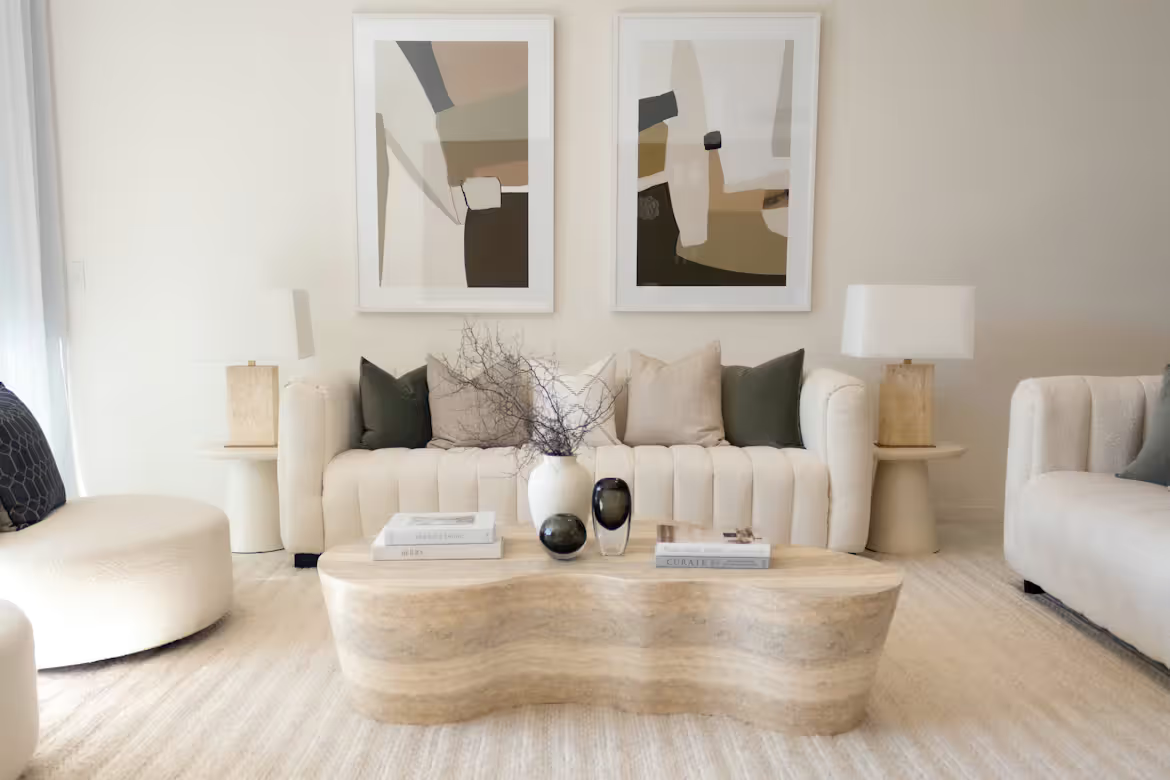
A thoughtfully collected home feels different from a carefully decorated one.
While decoration often follows trends or seasonal preferences, a collection grows gradually through curiosity, personal experience, and meaningful choices. Every painting, sculpture, photograph, ceramic vessel, or handcrafted object reflects a moment of discovery, creating interiors that tell stories rather than simply filling empty walls.
For many collectors, the relationship between art and architecture develops naturally over time. A favourite painting influences furniture placement. A sculpture transforms an overlooked corner into a focal point. Carefully chosen lighting changes the way a glass artwork interacts with the room throughout the day. Even the empty spaces surrounding artworks become part of the overall composition.
Living with art is fundamentally different from visiting a museum.
Museum exhibitions are designed for temporary viewing. Homes are places where artworks become part of everyday routines. Morning coffee may be enjoyed beneath a favourite painting. Evening light reveals new details within a sculpture. A photograph encountered every day gradually acquires deeper personal meaning.
This long-term relationship changes the way collectors experience art.
Rather than seeking constant novelty, they begin appreciating familiarity. The same artwork continues revealing different qualities as seasons change, furniture evolves, family life unfolds, and personal perspectives mature.
Designing a home around a collection therefore requires more than aesthetic judgement. It calls for patience, thoughtful observation, and a willingness to let both the collection and the living space evolve together.
Let the Collection Lead
Many experienced collectors begin with the artwork rather than the furniture.
Instead of purchasing paintings to match an interior, they allow important works to influence the atmosphere of each room.
Large contemporary canvases may define open living spaces.
Quiet photographs often suit reading rooms.
Ceramic objects introduce warmth to shelving and tables.
Small sculptures create moments of discovery throughout a home.
This approach produces interiors that feel personal rather than staged.
Every design decision supports the collection instead of competing with it.
Creating Space Around Art
One of the most common mistakes is displaying too many objects together.
Generous empty space allows each artwork to breathe.
Paintings become easier to appreciate when surrounded by calm wall surfaces.
Sculptures gain greater presence when viewed from several angles.
Glass objects benefit from natural light and uncluttered surroundings.
Collectors quickly discover that restraint often creates stronger visual impact than abundance.
Sometimes removing one object improves an entire room.
Lighting Shapes the Experience
Light is one of the most important yet frequently overlooked aspects of displaying art.
Natural daylight changes throughout the day, revealing subtle colours and textures that artificial lighting cannot fully reproduce.
During the evening, carefully positioned lighting continues the conversation.
Soft directional lighting can emphasise a sculpture's form, highlight the brushwork within a painting, or reveal the transparency of contemporary glass.
Rather than flooding a room with brightness, thoughtful collectors use light to guide attention naturally toward the artworks they most wish to enjoy.
Balancing Furniture and Art
A successful interior treats art and furniture as partners rather than competitors.
Well-designed furniture provides comfort and function, while artworks introduce personality, memory, and visual rhythm. When both elements support one another, rooms feel cohesive without appearing overly curated.
Collectors often avoid placing large decorative objects directly in front of important artworks. Instead, seating arrangements encourage natural viewing, allowing paintings and sculptures to become part of everyday life rather than isolated display pieces.
Scale also plays an important role.
A modest photograph may disappear above an oversized sofa, while a monumental painting can overwhelm a small reading room. Considering proportion allows every object to contribute comfortably to the surrounding space.
Rather than designing around trends, thoughtful collectors create interiors where architecture, furniture, and artworks exist in quiet conversation.
Rotating a Collection
Unlike museums with extensive gallery space, private homes have practical limitations.
Many experienced collectors therefore rotate artworks throughout the year.
Changing displays offers several benefits.
Different works receive opportunities to be enjoyed.
Sensitive photographs or works on paper can spend time safely stored under appropriate conditions.
Rooms acquire renewed character without major redesign.
Collectors also experience familiar artworks with fresh perspective after periods away from daily view.
Rotation reminds us that a collection remains active rather than fixed.
Living with art becomes an evolving experience that changes alongside seasons, personal interests, and new acquisitions.
Displaying Sculpture and Design Objects
Three-dimensional works deserve careful placement because they interact directly with the surrounding environment.
A sculpture should be viewed from several angles whenever possible.
Collectors often position sculptures where natural movement through a room gradually reveals changing perspectives. Console tables, pedestals, open shelving, and carefully selected floor locations all provide opportunities for thoughtful presentation.
Design objects benefit from similar consideration.
Handcrafted ceramics, contemporary glass, and limited-edition furniture should not feel isolated from daily life.
Instead, they become functional elements within thoughtfully designed interiors while retaining their artistic presence.
This balance between usefulness and beauty has long been one of the defining characteristics of exceptional collectible design.
Photography in Everyday Spaces
Photography introduces a quieter visual language than many other artistic mediums.
Rather than dominating a room, carefully chosen photographs often encourage closer observation through subtle composition, atmosphere, and light.
Collectors frequently group photographs in small series that share common themes, locations, or tonal qualities.
Black-and-white images create calm architectural rhythm, while colour photography introduces warmth and narrative.
Framing deserves equal attention.
Simple, well-proportioned frames allow viewers to focus on the image itself while maintaining harmony with surrounding interiors.
Thoughtful presentation reinforces photography's ability to enrich everyday living spaces without overwhelming them.
Avoiding Common Display Mistakes
Even experienced collectors occasionally discover that small adjustments greatly improve the experience of living with art.
Some of the most common challenges include:
- Hanging artworks too high above eye level.
- Crowding several important pieces onto one wall.
- Ignoring natural light when positioning photographs or glass.
- Choosing decorative accessories that compete with artworks.
- Filling every available surface instead of allowing visual breathing space.
Thoughtful editing is often more valuable than adding new objects.
A carefully arranged room encourages slower observation and greater appreciation for every piece within the collection.
Living with a Collection Over Time
One of the greatest pleasures of collecting is discovering that artworks continue changing alongside the people who live with them.
A painting purchased years earlier may acquire new significance after travel, conversations, or changing interests.
A sculpture gradually becomes associated with family celebrations.
A photograph quietly records different stages of everyday life simply by remaining present within the home.
These evolving relationships cannot be designed overnight.
They emerge naturally through time.
The most memorable interiors therefore feel lived in rather than completed.
Collections remain open to change, allowing each new acquisition to contribute another chapter to an ongoing story.
Collector's Insight
The finest collections never feel staged. They become part of daily life, quietly revealing new details and meanings through years of living with them.
Conclusion
Designing a home around an art collection is not about creating a private museum. It is about building an environment where architecture, furniture, and carefully chosen artworks support one another while reflecting the personality of those who live there. Every painting, sculpture, photograph, and design object contributes to an atmosphere shaped by curiosity, craftsmanship, and thoughtful observation.
For collectors, living with art offers rewards that extend far beyond ownership. Familiar works continue revealing new qualities as natural light changes, interiors evolve, and personal experiences deepen. Rather than remaining static possessions, they become lasting companions within everyday life.
Ultimately, the most successful interiors are those where collections grow naturally over time. They celebrate beauty without excess, encourage reflection without formality, and demonstrate that the true purpose of collecting is not simply to display remarkable objects—but to create meaningful spaces enriched by art.
Discover thoughtful editorial features exploring collecting, design, architecture, craftsmanship, and the art of creating inspiring living spaces through ModernPress.
Related Story
When Architecture Becomes a Work of Art

Alexander Moreau
Design writer and curator covering collectible design, architecture, decorative arts, and contemporary craftsmanship. His work explores the intersection of art, function, and cultural value.