
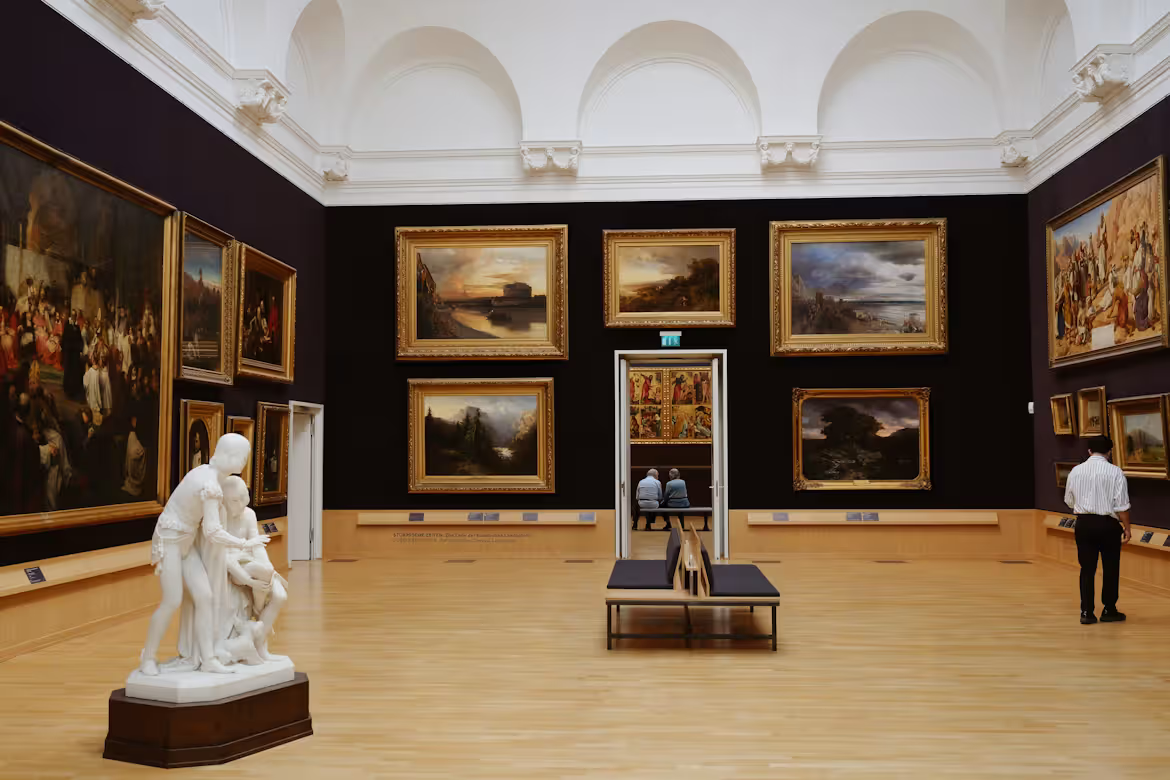
Choose an elegant gallery scene showing a visitor viewing artwork or discussing pieces with a curator.
Starting an art collection can feel both exciting and intimidating. Walk into a gallery or browse an art fair, and you'll encounter works spanning countless styles, mediums, and price points. Paintings hang beside photographs, sculptures occupy open spaces, and installations challenge conventional ideas of what art can be. For many first-time buyers, the sheer variety leads to an understandable question: Where do I begin?
A common misconception is that collecting art is reserved for seasoned investors or those with substantial financial resources. In reality, many respected private collections began with a single artwork purchased because it sparked curiosity or created an emotional connection. Experience, knowledge, and confidence are built gradually, one thoughtful decision at a time.
Collecting art is less about acquiring objects and more about developing a personal relationship with creativity. Every artwork reflects an artist's perspective, a moment in history, or an idea worth preserving. As a collection grows, it begins to tell a story—not only about the artists represented but also about the collector's own interests, values, and evolving taste.
Rather than chasing trends or purchasing works based solely on potential financial return, successful collectors focus on learning. They spend time in museums, visit galleries, attend exhibitions, speak with artists, and read about art history. These experiences shape informed decisions and create collections that remain meaningful long after market cycles have changed.
Whether your goal is to collect contemporary paintings, photography, sculpture, prints, or mixed-media works, the principles remain remarkably similar. Thoughtful collecting begins with curiosity, develops through research, and grows through patience.
Define What Inspires You
Before purchasing your first artwork, take time to discover what genuinely captures your attention. This stage is often overlooked, yet it forms the foundation of every successful collection.
Spend time visiting museums, commercial galleries, artist studios, art fairs, and public exhibitions. Instead of asking whether a work is valuable, ask yourself why it appeals to you. Is it the colour palette, the subject matter, the technique, or the ideas behind the work? Over time, patterns begin to emerge, helping you identify the styles and artists that resonate most deeply.
Many collectors naturally develop interests in specific areas, such as abstract painting, contemporary photography, ceramics, figurative sculpture, or emerging artists. Others are drawn to works connected by themes such as nature, architecture, identity, or cultural heritage.
Your first purchases should reflect these personal interests rather than outside expectations. A collection built around genuine enthusiasm is far more rewarding than one assembled simply to follow market trends.
Learn Before You Buy
Knowledge remains one of the most valuable investments any collector can make. Fortunately, building that knowledge has never been more accessible.
Museum exhibitions, gallery talks, artist interviews, books, catalogues, and reputable art publications all contribute to a deeper understanding of artistic practice. Learning about an artist's career, influences, exhibitions, and creative process provides important context that extends beyond the artwork itself.
Understanding provenance—the documented ownership history of an artwork—is equally important. Provenance helps establish authenticity, offers historical context, and contributes to long-term confidence in a purchase.
Rather than rushing into acquisitions, experienced collectors often spend months researching artists before making their first purchase. This deliberate approach leads to better decisions and a stronger appreciation for the works they ultimately acquire.
Set a Comfortable Budget
One of the biggest myths surrounding art collecting is that meaningful collections require extraordinary wealth. In reality, collectors exist at every budget level.
Original works on paper, photography, limited-edition prints, ceramics, and emerging artists often provide accessible entry points without compromising artistic quality. Establishing a realistic budget allows you to collect consistently while avoiding impulsive purchases driven by excitement or perceived investment opportunities.
It is equally important to consider additional costs beyond the purchase price. Professional framing, transportation, insurance, conservation, and appropriate display all contribute to responsible ownership.
Viewing your budget as part of a long-term collecting strategy encourages patience. Rather than purchasing multiple works quickly, many collectors choose to acquire fewer pieces of greater personal significance.
Choosing the Right Gallery
Where you buy your first artwork can be just as important as what you buy. Reputable galleries play a vital role in the art ecosystem by supporting artists, organizing exhibitions, documenting provenance, and helping collectors understand an artist's practice.
For new collectors, galleries provide an opportunity to ask questions without pressure. Don't hesitate to inquire about an artist's background, previous exhibitions, techniques, inspiration, or the story behind a particular work. A professional gallery welcomes informed conversations and encourages collectors to take time before making a decision.
Attending exhibition openings and gallery talks can also broaden your understanding of the contemporary art world. These events offer valuable opportunities to meet artists, curators, and fellow collectors while gaining insight into current artistic conversations.
Above all, remember that purchasing art should never feel rushed. A gallery relationship built on trust often becomes one of a collector's most valuable resources.
Understanding Original Works, Prints, and Editions
Many first-time collectors assume that only unique original paintings are worth collecting. In reality, contemporary collections often include a wide variety of media, each with its own significance.
Original paintings and sculptures are one-of-a-kind works, while limited-edition prints and photographs exist in carefully controlled numbers. These editions are typically signed and numbered by the artist, with smaller editions often being more desirable because of their rarity.
Works on paper, ceramics, textiles, and artist books also provide meaningful opportunities to begin collecting. These mediums often introduce collectors to established artists at more accessible price points without compromising artistic quality.
Rather than focusing solely on medium, evaluate the strength of the artist's practice, the quality of the work, and how it fits within your collecting goals.
Build Relationships, Not Just a Collection
Experienced collectors often say that some of the most rewarding aspects of collecting come from the relationships developed along the way.
Speaking directly with artists offers insight into their creative process and intentions. Conversations with gallery directors and curators deepen your understanding of exhibitions and collecting practices, while meeting fellow collectors introduces fresh perspectives and recommendations.
These relationships also provide long-term benefits. Galleries frequently inform established clients about upcoming exhibitions, new works, and special projects before they are publicly announced.
Collecting becomes far more meaningful when it is rooted in a genuine appreciation for artists and the communities that support them.
Common Mistakes New Collectors Should Avoid
Every collector makes mistakes, but many can be avoided with patience and careful research.
Buying solely as an investment
Financial appreciation should never be the only motivation. Markets fluctuate, but a thoughtfully chosen artwork continues to offer personal value regardless of price.
Following trends without understanding them
Popular styles come and go. Collect works because they genuinely resonate with you, not because they appear fashionable.
Skipping research
Take time to learn about the artist, exhibition history, provenance, and materials before purchasing.
Ignoring conservation
Some contemporary materials require specialised care. Understanding display conditions, framing, humidity, and lighting helps preserve artworks for generations.
Buying too quickly
Excitement is natural, but thoughtful collectors rarely regret taking extra time to consider a purchase.
Displaying and Caring for Your Collection
Owning art also means becoming its temporary custodian.
Avoid hanging valuable works in direct sunlight, where prolonged exposure can fade pigments and damage paper. Maintain stable humidity levels, especially for works on paper, textiles, and wooden objects. Professional framing using conservation-quality materials helps protect artworks while enhancing their presentation.
Keep purchase invoices, certificates of authenticity, exhibition catalogues, and provenance documents together in a dedicated archive. These records contribute to an artwork's history and can become increasingly important over time.
As a collection grows, photographing each artwork and maintaining an inventory with acquisition dates, dimensions, and artist information becomes a useful habit.
Responsible stewardship preserves not only financial value but also cultural significance.
Collect with Curiosity, Not Perfection
Many successful collectors describe their collections as ongoing conversations rather than completed projects.
Your interests will evolve as you encounter new artists, visit museums, travel, and learn more about art history. Early purchases may differ from later acquisitions, reflecting the natural development of your knowledge and taste.
Rather than striving to assemble a perfect collection, focus on building one that tells your own story. Collections shaped by curiosity, thoughtful research, and genuine enthusiasm often become the most distinctive and rewarding.
There is no universal blueprint for collecting art. The most memorable collections are those that reflect the unique perspective of the person behind them.
Collector's Insight
Buy the artwork you will still enjoy living with ten years from now—not the one everyone else is talking about today.
Conclusion
Starting an art collection is not defined by the size of your budget or the number of works you own. It begins with curiosity, develops through education, and grows through meaningful experiences with artists, galleries, museums, and exhibitions.
Every thoughtful acquisition becomes part of a larger personal narrative. Over time, your collection reflects not only the artists you admire but also the ideas, places, and moments that have shaped your understanding of art.
The most respected collections are rarely built quickly. They evolve patiently, guided by careful observation, continuous learning, and a genuine appreciation for creativity. By collecting with intention rather than impulse, you create something that remains personally meaningful while contributing to the broader story of contemporary culture.
Whether you're purchasing your first artwork or refining an established collection, explore more collecting guides, artist profiles, exhibition reviews, and market insights from ModernPress.
Related Story

James Villiers
Art collecting specialist helping new and experienced collectors navigate acquisitions, provenance, market trends, and collection building strategies.